- Arcbound
- Posts
- The Webinar System

Good Morning! ☕️
If you missed last week’s edition, we shared The Newsletter System about how to create content people actually want to read.
Next week, we’ll release The Podcast System, built from everything we’ve learned producing great shows.
This week is about something quite nuanced.
The webinar that actually builds trust, attention, and long-term brand equity.
Why Webinars Are Harder Than They Look
Hosting a webinar without an audience is like jumping into Calc II after Algebra I.
You can technically do it.
But you’re missing the foundations that make it work.
Here’s the math most people ignore:
~50% of registrants actually show up
Of those, maybe half are meaningfully engaged
So if 50 people register, you’re realistically speaking to 12–15 people who are actually present.
That means webinars require:
Volume of Registrants
The right audience
Thoughtful promotion
Real follow-through
The ROI isn’t always immediate, which is exactly why most people don’t put in the work to do them well.
As they say, Opportunity is missed by most people because it is dressed in overalls and looks like work
Why Do a Webinar in the First Place?
When done right, webinars are additive, not extractive.
1. Brand Awareness (the right kind)
A webinar creates an event experience.
It lets people spend time with your thinking, not just scroll past it. You’re giving value to people who already trust you and people who are just starting to.
2. Trust Before Conversion
Great webinars don’t force a sale. They allow prospects, especially those already in consideration, to experience:
Your point of view
Your community
Your depth
Sophisticated buyers don’t want to be sold.
They want to understand how you think before they decide to engage.
How to Think About Content Themes
Strong webinars usually fall into one of three lanes:
These are rooted in your core philosophy or methodology.
Last year, we hosted webinars on our approach to building a brand; sometimes self-hosted, sometimes with partners like Flourish Advisory Forums or YPO.
In some cases, we brought the audience. In others, we borrowed it.
Both work.
2. Indirect, but deeply relevant
Some of our best-performing webinars weren’t “about branding” on the surface.
We hosted conversations on:
Scaling to $100M ARR
Building trust and operational fundamentals
Living a bold life
Creating board opportunities
Authenticity and self-reflection
Insight: Professional and personal topics can coexist if they serve the same audience journey.
3. Paired expertise
When you collaborate with someone outside your immediate lane, the key is shared relevance.
This does two things:
It avoids the feeling of selling
It introduces your brand to a new, aligned audience
Strategic Advantage of Doing a Webinar with a Co-Host
A great co-host doesn’t just “fill airtime.”
They add:
A different lens
Different questions
A different kind of credibility
In one webinar with Case Kenny, the conversation went places I couldn’t have taken it alone, because Ben, my Co-Host, had lived experience that mirrored the guest’s in ways mine didn’t.
In other cases, co-hosting is about delivery.
For a dual-format webinar last May, I partnered with Blaire from our team so we could move seamlessly between strategy and execution.
The result felt dynamic.
The Email Sequence (This Matters More Than You Think)
Last year, we didn’t rely on a newsletter list.
We sent direct emails to get initial sign ups.
It took longer. But it felt human, like an invitation, not a blast.
That’s how we built our list to 400+ attendees.
This year, with a list in place, we’re testing more traditional promotion—but the principle remains the same:
Make it feel personal.
The Communication cadence:
Initial invite
A “few spots left” nudge
A reminder the day before
A thoughtful follow-up with the recording
Template Example Emails Below:
Initial Invite:

A “few spots left” nudge
You can do this in multiple ways:
1. To drive scarcity
2. Because you’ve capped the webinar at a certain amount of people to attend

A reminder the day before

A thoughtful follow-up with the recording

Webinar Promotion
Webinars shouldn’t live in one channel.
We promote:
Direct Outreach Over Email
In newsletters (like this one)
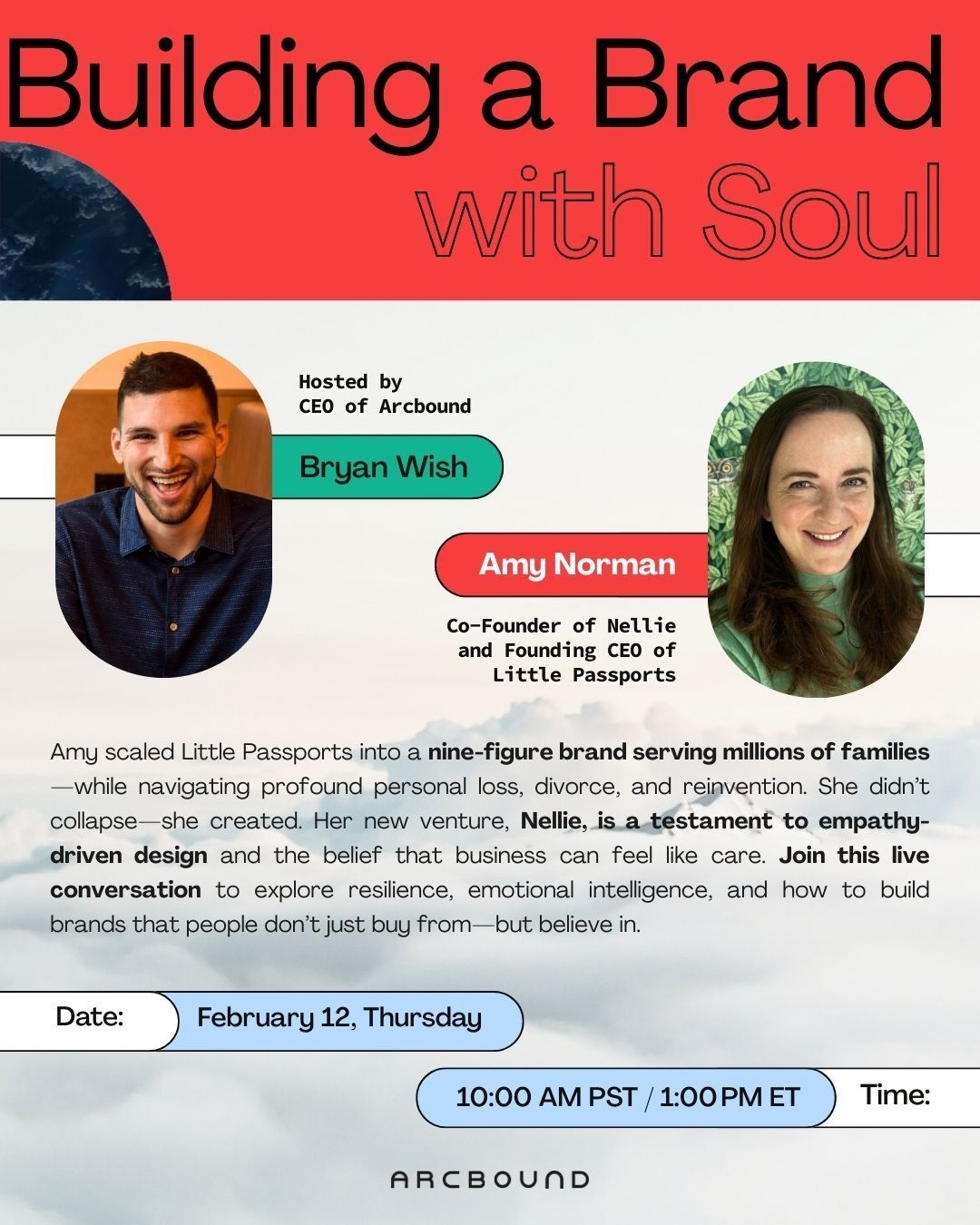
Well well well, we do have an upcoming webinar with Amy Norman, on Thursday, February 12, at 10:00 AM PST / 1:00 PM EST. Come Join Us!
On social: often through the guest’s voice, not ours
One of the most effective posts we’ve seen came directly from a guest sharing why the conversation mattered to them personally. That authenticity travels further than any graphic.

Formats That Actually Work
There are two we return to again and again:
Interview + Q&A
Ideal when:
The guest has a strong story
The audience can relate to their journey
You give context first—then let the audience engage directly.
Solo presentation + Q&A
Best when:
You have a repeatable talk
The audience already trusts your perspective
In both cases, 45 minutes - 1 Hour tends to be the sweet spot to hold attention span.
Tools (and Watchouts)
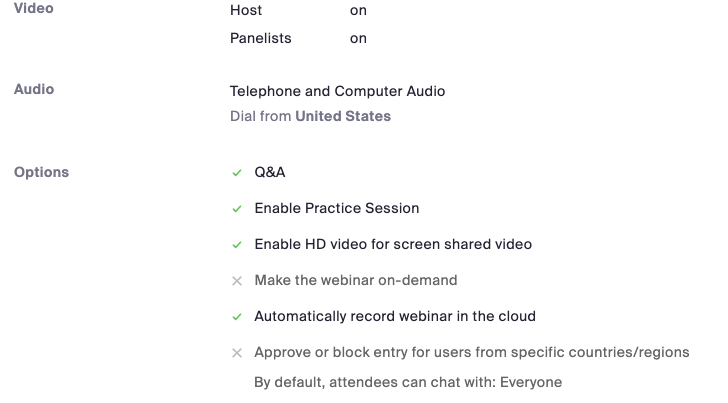
We host Zoom Webinars.
A few things to watch closely:
Enable chat, Q&A, recording intentionally
Prep your speakers on flow and tone
Avoid the last-minute “Buy from me” slide
If you’ve given real value, people will raise their hand when they’re ready.
You don’t need to force it.
The Underrated Upside: Your Email List
Every webinar we’ve hosted added new, high-intent people to our ecosystem.
Not cold subscribers. People who chose to show up.
That’s one of the most organic, and respectful, ways to grow a list over time.
Final Thought
There is no perfect webinar recipe.
There is:
Preparation
Respect for the audience
Clarity of intention
When those are present, webinars stop being a tactic and start becoming a trust-building system.
Reply