- Arcbound
- Posts
- The Podcast Philosophy System

The Podcast Philosophy System
A Q&A with Puneeth Shenoy, Head of Podcasts at Arcbound (and the guy behind 3,000+ episodes).
Puneeth didn’t grow up dreaming of podcast production.
He grew up producing music and DJing in India, until COVID forced a pivot. Then a single episode (Joe Rogan interviewing Naval Ravikant) rewired his trajectory.
He fell into podcasting in 2021, never climbed out, and over the last 4–5 years has edited 3,000–4,000+ episodes, helped launch 40–50 shows, and consulted across dozens more.
Today, as Director of Multimedia at Arcbound, he oversees podcast production across audio, video, and design, while obsessing over the systems and quality standards that turn a “podcast idea” into a real media engine.
What follows is Puneeth’s framework: clean Q&A on his journey, the underlying philosophy that makes Arcbound dangerous at this craft, and clear takeaways.
—-
PS, this was last night in San Francisco, interviewing Puneeth.
He was in India, answering live questions.
Fun fact: we also happen to share the same birthday . . . March 15.
Which feels fitting, because conversations like this are their own kind of gift.
And who knows, maybe you’ll help me with a few blind recommendations as an early present.

Q1) Puneeth, give us the quick origin story. How did you get here?
Puneeth: I’m Puneeth, from India. Podcasting was never part of my plan, I started as a music producer and DJ. COVID happened, I had to pivot, and one day I randomly listened to Joe Rogan interviewing Naval Ravikant. That episode completely changed my life. I started producing podcasts in 2021 and I haven’t looked back.
Now, 4–5 years later, I’ve edited 3,000–4,000+ episodes, produced and helped launch 40–50 shows, and built my own business (Podcast Pundits) doing end-to-end podcast post-production and social content.
I found my way to Arcbound after reaching out to Bryan through his podcast called The One Away Show. At Arcbound, I started as an editor in late 2023. Around this time last year, I was promoted to Director of Multimedia, so I oversee podcast production, audio/video, and some design across clients.
Key takeaway: Podcasting isn’t a “content tactic” for Puneeth—it’s applied production craft + systems + taste, built under pressure.

Q2) What’s been your biggest growth at Arcbound?
Puneeth: Leadership. Patience. Resilience.
This is a high-pressure role because we work with so many clients and types of content.
Nothing is one-size-fits-all. We personalize content to match each client’s personality and goals.
What I’ve learned is the forward-looking nature of leadership: taking care of people, balancing being a friend and manager, doing what’s emotionally right while also doing what’s right for the business.
Key takeaway: Creative departments don’t break from lack of talent, they break from lack of leadership maturity.
Q3) You came into the role and said “we need change.” What did you actually change?
Puneeth: One word: systems.
For a company like Arcbound with multiple clients, 10x types of content, systems are the only way it works:
Asana-only project management (no Slack/WhatsApp chaos)
Weekly check-ins (what’s moving, what’s stuck, how we unblock)
Team involvement in improving workflows and creative standards (creatives can feel isolated—this pulls them into the mission)
Quality checks that are borderline obsessive (yes, I’m the comma-and-period guy)
Key takeaway: Systems aren’t bureaucracy. They’re how you protect quality at scale.
The Podcast Philosophy System
Q4) If someone is starting a podcast, what are the core pillars they need to get right?
Puneeth: Four pillars:
Purpose
Why does this show exist? Who is it for? What value does it provide?
And the hardest question: “Why you?” Why should your podcast exist in a world flooded with podcasts?Host Identity
People subscribe to people, not just information.
What’s the uniquely human factor you bring—personality, quirks, tone, point of view?Production Quality
This isn’t 2010 anymore. If you want commercial outcomes, you need baseline quality, especially audio.
That doesn’t mean a $10K setup. It can be a solid USB mic + good lighting + clean environment.Distribution Strategy
You can’t just upload and pray.
Where are you posting? How often? What’s the plan for discovery?
Key takeaway: A podcast succeeds when purpose + personality + polish + distribution reinforce each other.
Q5) Give the CEO version. One minute. What do you tell a busy founder?
Puneeth: First question: is this an internal podcast or external podcast?
Internal: audio-only can work.
External: you need video.
And if you’re a CEO, you probably have a budget, so the smartest move is to outsource the full production system and keep your time focused on the conversations.
Key takeaway: The podcast format is dictated by the audience and use case—not by what’s trendy.
Q6) If a wealth manager, insurance agent, or mortgage banker, want to do a podcast, how do they stand out from 10,000 other people just like them?
Puneeth: Don’t copy another host. It’s inauthentic.
Bring your real traits into the format. Add a twist:
comedy / sarcasm
bold contrarian takes
“what not to do” using real-world scams
even a crime angle if it fits
Then decide how you want to position yourself through guests and structure:
Three positioning strategies:
Authority: you’re the expert and you interview other experts
Network Power: you feature strong operators to show who you’re connected to
Student/Coach Hybrid: you learn publicly or coach real people through real problems
Key takeaway: Differentiation isn’t aesthetic, but it’s positioning + tone + point of view.
Q7) How do you define show success when ROI can take years?
Puneeth: The host defines success.
Some shows are hobbies.
Some are community engines.
Some are commercial machines.
You can’t design a strategy until the host decides the outcome.
If you start as “interesting conversations,” you can’t suddenly complain later that you don’t have a million downloads, unless you’re willing to redesign the concept.
Key takeaway: The goal isn’t to hit a number. The goal is to stop the goalpost from moving.
Q8) Where should podcasters distribute today?
Puneeth: Video podcasts are the thing now, even though podcasts weren’t originally meant to be video.
Distribution depends on audience:
Instagram / TikTok: stronger for casual, personality-forward shows
X / LinkedIn: stronger for founder and exec audiences
YouTube: the anchor platform for video discovery
Spotify/Apple/Amazon: audio distribution via a hosting platform (upload once → distributed everywhere)
Key takeaway: Distribution isn’t “everywhere.” It’s “where your audience already lives.”

Q9) What do you see as the future of podcasting?
Puneeth: Communities and offline events.
Less about information. More about connection.
Podcast → community → offline events become the flywheel.
He also believes we’re moving away from over-produced “influencer energy” toward simpler, calmer, meaning-driven content (even “anti-editing”).
Key takeaway: The show is the conversation. The brand is the community.
Speaking of events and community . . . Here was an event we recently did offline for the Founders in Arms Podcast we produce. Thanks to the partnership with Catalyst Bay, and strong leadership of Juliana Chyzhova, we had 100+ people show up to a great event and get meaningful feedback from a few great founders in the community.


Q10) What are the best post-production techniques?
Puneeth: There is no universal best practice. It depends on the show vibe.
Founder/exec shows: simple, elegant, minimal movement
Comedy/high-energy shows: memes, fast cuts, heavy motion
Science/education shows: sober, clean captions, light supporting visuals
Key takeaway: Post-production is brand design. If you edit against the brand, you weaken the show.
For example, below is a show we produce called Vital Discourse. Two incredible doctors, very “brain-y” in the best ways, who are also super fun sharing really impactful and nuanced health information. The way the show is visually designed, produced, and everything in between is about the hosts and their vision and their respective companies.

Q11) What does a successful podcast launch look like?
Puneeth: Don’t expect 10,000 downloads out of the gate unless you’re already famous.
Two launch essentials:
Build an episode buffer
Have 3–4 episodes fully produced before the first release so missed recordings don’t break momentum.Win the first 2–3 hours
Platforms reward early engagement. The first couple hours after posting matter: comments, shares, saves, downloads.
Then use analytics to learn:
best posting times
best days
best formats
Trial and error for the first few weeks.
Key takeaway: Consistency beats hype. Data beats guessing. And Podcasts are a long game.
Have you heard of The Acquired Podcast? As you can see in the graph below. It took a few years to gain any meaningful traction.

Q12) Do reviews matter?
Puneeth: Reviews are bottom-of-funnel behavior.
Social engagement is top-of-funnel. Social growth drives people to audio platforms.
Reviews are like Amazon: 1,000 buyers → 10–20 reviews.
People leave reviews when they’re either:
extremely happy, or
extremely upset
Key takeaway: Don’t chase reviews first; build attention and community first.
Q13) How do offline events grow a show?
Puneeth: Offline events solidify trust.
He compared it to dating:
Content is the texting phase.
Events are meeting in person.
Events also unlock:
sponsorship (table products, ad reads, brand stalls)
deeper brand relationships
real monetization paths
Key takeaway: Events convert attention into belonging—and belonging into durable growth.
Q14) Where does podcast fit inside thought leadership?
Puneeth: Podcast is the best origin format for a content waterfall.
One episode can produce:
Newsletters
blog posts
clips (short + long)
carousels
Threads
LinkedIn posts
And you need format variety because algorithms shift:
Instagram sometimes favors carousels over reels
LinkedIn cycles between favoring video vs text/image
Also: the podcast can’t be the host’s entire identity. Great hosts are multi-dimensional. They are typically running newsletters, companies, investing, or leading a community. At Arcbound, we believe the show is an extension of the brand.
Key takeaway: The show is a pillar. The brand is the ecosystem.
Q15) How should people use data without becoming obsessed with vanity metrics?
Puneeth: Numbers aren’t the point, signals are.
Compare performance side-by-side:
why did one get 5,000 views and another get 500?
How did channel followers grow and what inflection points caused them to grow?
what changed? hook, format, length, posting time, topic?
Here’s an example below of a weekly show report with a few metrics.
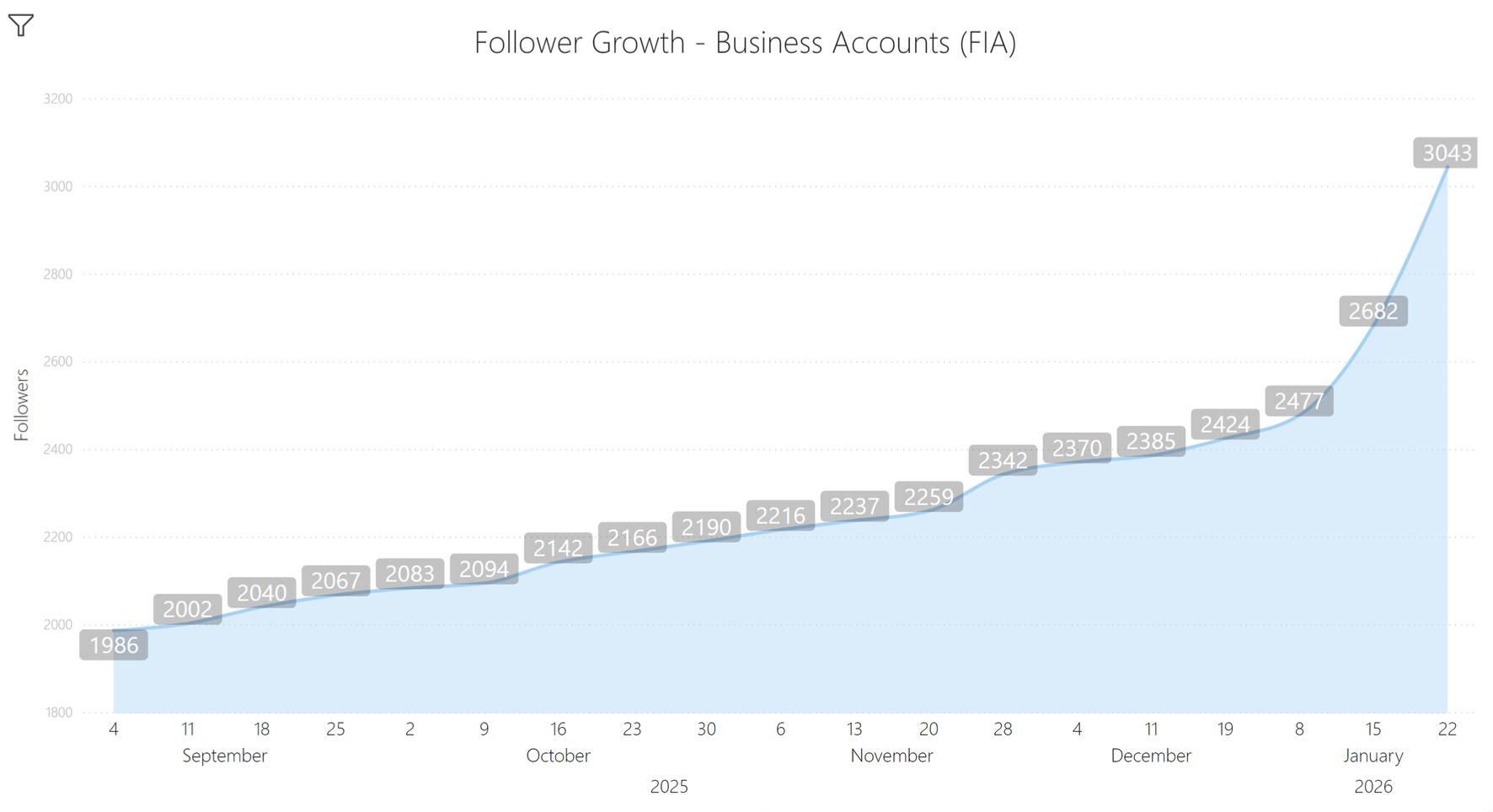

And yes: use tools (even ChatGPT) to interpret analytics and generate actions.
Key takeaway: A “viral post” is only useful if you can explain it, understand the variables behind it, and repeat it.
Q16) What counterintuitive advice would you give to podcast hosts?
Puneeth: Don’t over-index on outliers like celebrity guests.
If you have Taylor Swift on, it’ll go viral, because of Taylor, not because of you.
So don’t use that episode as your baseline for strategy.
Key takeaway: Outliers inflate ego and distort strategy. Build for repeatability.
Q17) Why do you do this? Why podcasting?
Puneeth: It started as an economic pivot. But the deeper reason is that podcasting is one of the last places where authenticity can win.
I’m repulsed by fake, inauthentic behavior. Podcasting pulls people toward real conversation.
Key takeaway: Puneeth isn’t producing “content.” He’s producing authenticity, with structure.
Closing: The Arcbound Point of View
This interview isn’t just about Puneeth. It’s a snapshot of how Arcbound thinks:
Authority comes from systems, not vibes.
Taste + standards are a business advantage.
Community is the real distribution engine.
A podcast is not the brand. It’s the generator that feeds the brand.
That’s the philosophy system.
And Puneeth is the leader who makes it possible.
Community Notes:
My good buddy Brent Freeman is hosting a great retreat in Tahoe. He is truly a stellar guy, whose work has impacted me profoundly at a somatic level. Learn more here.
Come hang out with us for our next webinar on Feb 12 with Amy Norman!

Reply